With gas prices constantly changing, improving your vehicle’s fuel efficiency is one of the easiest ways to save money and reduce unnecessary wear on your car. Many drivers assume poor gas mileage is simply part of owning an older vehicle, but in many cases, small maintenance and driving habit changes can make a noticeable difference.
The good news is that improving fuel economy doesn’t always require expensive repairs or buying a new vehicle.
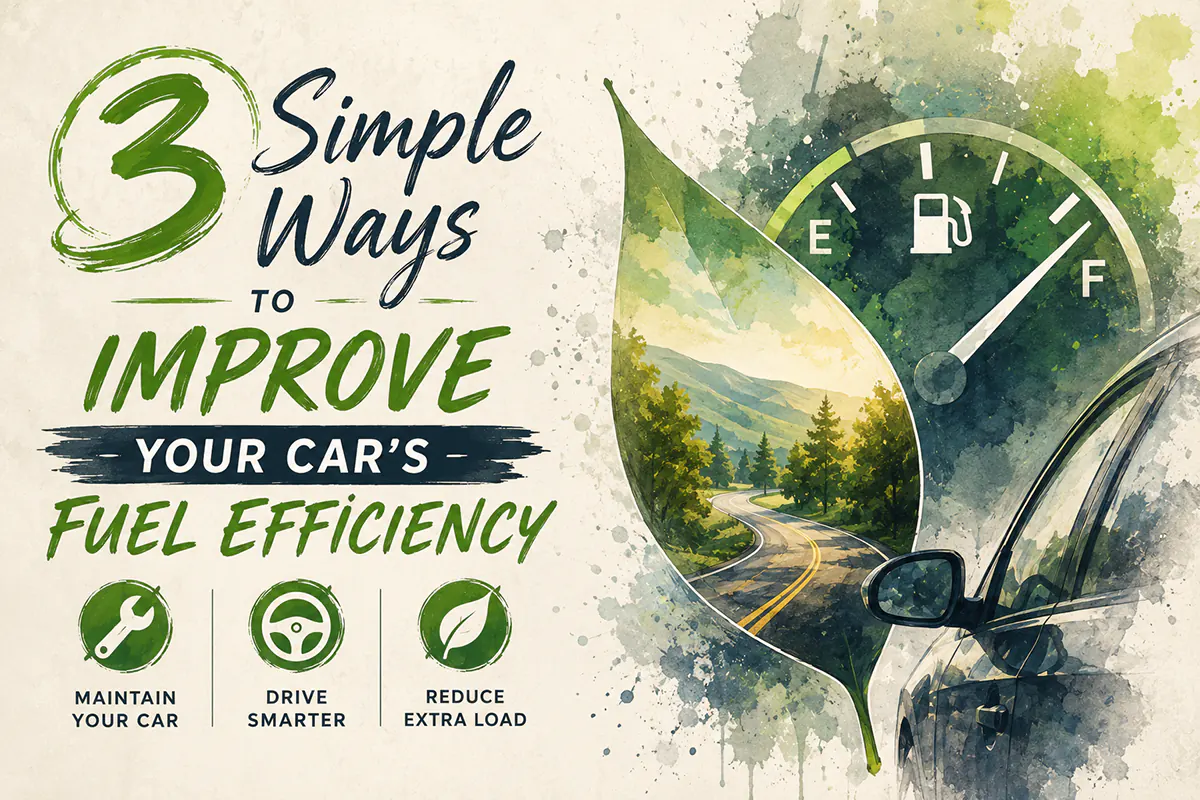
In this guide, we’ll cover three simple ways to improve your car’s fuel efficiency, reduce fuel costs, and help your vehicle run more efficiently.
Why Fuel Efficiency Matters
Fuel efficiency affects more than just how often you stop at the gas station.
Better fuel economy can help:
- Save money on fuel
- Reduce engine strain
- Lower emissions
- Extend engine life
- Improve overall vehicle performance
Poor fuel economy may also indicate underlying maintenance issues that should not be ignored.
1. Keep Up With Regular Vehicle Maintenance
One of the biggest factors affecting fuel efficiency is overall vehicle condition.
When maintenance is neglected, the engine has to work harder, which increases fuel consumption.
Important Maintenance Items That Affect Fuel Economy
Air Filter Replacement
A dirty air filter restricts airflow to the engine.
Reduced airflow can:
- Lower engine efficiency
- Reduce power
- Increase fuel usage
Replacing a clogged air filter is a simple and affordable way to help improve gas mileage.
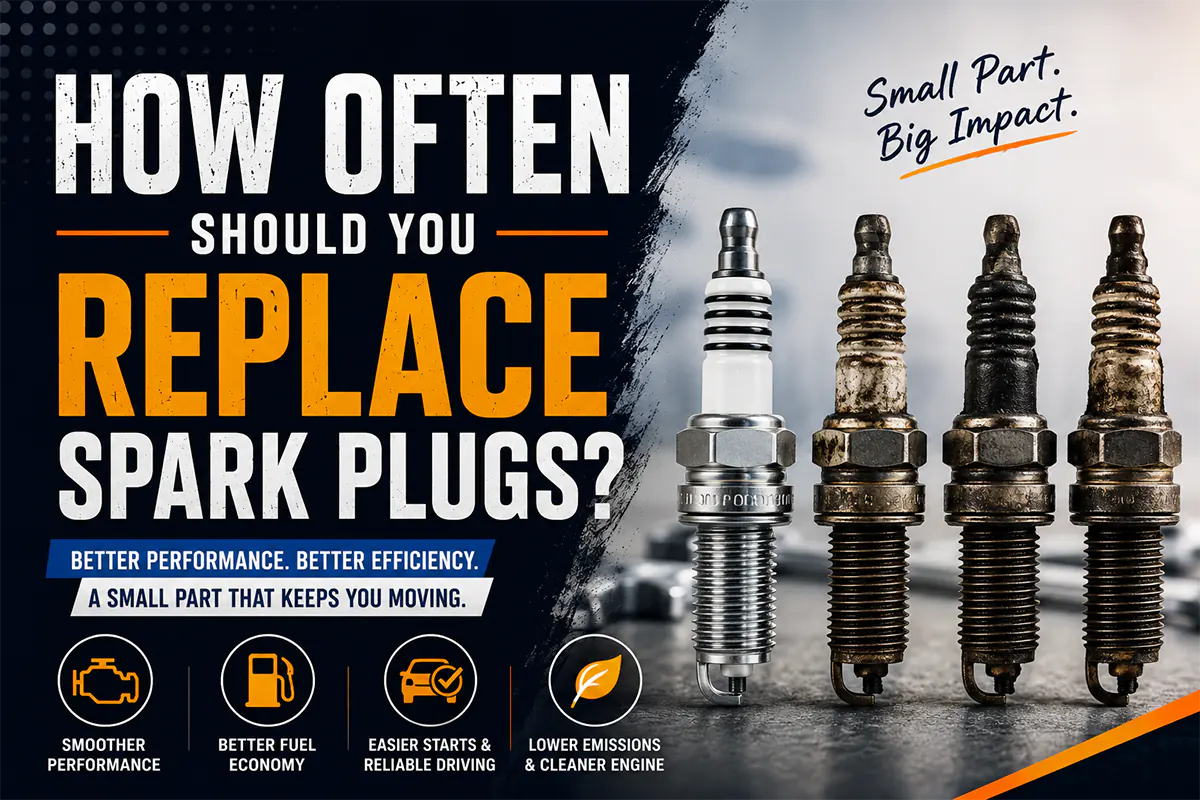
Spark Plug Replacement
Worn spark plugs can cause:
- Incomplete combustion
- Engine misfires
- Poor fuel efficiency
Fresh spark plugs help the engine burn fuel more efficiently.
Oil Changes
Using clean oil and the proper oil viscosity reduces engine friction.
Old or incorrect oil can:
- Increase resistance
- Reduce efficiency
- Cause the engine to work harder
Routine oil changes help maintain smooth engine performance.
Proper Tire Pressure
Underinflated tires create additional rolling resistance.
Low tire pressure forces the engine to use more fuel to move the vehicle.
Check tire pressure regularly and maintain manufacturer-recommended PSI levels.
2. Change Your Driving Habits
Your driving style has a major impact on fuel economy.
Aggressive driving wastes fuel much faster than smooth, controlled driving.
Driving Habits That Hurt Fuel Efficiency
Rapid Acceleration
Hard acceleration uses significantly more fuel.
Gradual acceleration helps improve efficiency and reduces wear on engine components.
Excessive Speeding
Fuel economy often drops quickly at highway speeds above:
- 65 mph
Driving slightly slower can noticeably improve gas mileage.
Hard Braking
Constant hard braking and acceleration create inefficient stop-and-go driving patterns.
Leaving extra following distance allows smoother driving and fewer sudden stops.
Excessive Idling
Long periods of idling waste fuel without moving the vehicle.
If safe and practical, shutting the engine off during extended waits can help reduce unnecessary fuel consumption.
3. Reduce Extra Weight and Drag
Many drivers unknowingly reduce fuel economy by carrying unnecessary weight or increasing aerodynamic drag.
Remove Unnecessary Weight
Extra cargo in your vehicle forces the engine to work harder.
Heavy items in:
- Trunks
- Truck beds
- Cargo areas
can reduce fuel efficiency over time.
Removing unnecessary items can help improve performance and mileage.
Reduce Wind Resistance
Roof racks, cargo carriers, and open windows at high speeds can increase aerodynamic drag.
This makes the engine work harder, especially on highways.
Removing unused roof accessories may improve fuel economy noticeably.
Bonus Tips for Better Fuel Economy
In addition to the three main steps above, these small habits can also help:
- Use quality fuel when recommended
- Avoid sudden cold starts and aggressive driving immediately afterward
- Keep wheels properly aligned
- Replace failing oxygen sensors
- Address check engine lights promptly
- Use cruise control on highways when appropriate
Even small improvements can add up over time.
Signs Your Vehicle May Have Fuel Efficiency Problems
If your gas mileage suddenly drops, there may be a mechanical issue developing.
Common warning signs include:
- Check engine light
- Rough idling
- Poor acceleration
- Engine misfires
- Black exhaust smoke
- Strong fuel smell
- Difficulty starting
These symptoms may indicate problems with:
- Fuel injectors
- Oxygen sensors
- Ignition components
- Air intake systems
Professional diagnostics can help identify the issue.
How Much Can Fuel Efficiency Improvements Save?
Even small fuel economy improvements can save hundreds of dollars annually.
For example:
Improving fuel economy from:
- 20 MPG to 25 MPG
can significantly reduce yearly fuel costs for drivers with long commutes.
Better efficiency also reduces strain on the engine and drivetrain.
Fuel Efficiency Myths
Myth: Premium Fuel Improves Mileage in Every Vehicle
Most vehicles only require regular fuel unless premium is specifically recommended.
Using premium unnecessarily usually does not improve fuel economy enough to offset the added cost.
Myth: Warming Up Your Car for Long Periods Saves Fuel
Modern engines warm up faster while driving.
Long idling periods actually waste fuel.
Myth: Fuel Additives Always Improve MPG
Many fuel additives provide little measurable improvement unless addressing a specific problem.
Routine maintenance is far more effective.
Final Thoughts
Improving your car’s fuel efficiency doesn’t have to be complicated or expensive. Simple steps like maintaining your vehicle properly, adjusting driving habits, and reducing unnecessary weight can make a noticeable difference in gas mileage and overall performance.
Routine maintenance and early attention to engine problems can also help prevent larger repairs while keeping your vehicle running efficiently for years to come.
If your vehicle’s fuel economy suddenly worsens, having it inspected early can help identify hidden issues before they become more serious.
Need Professional Mobile Auto Repair in Central Ohio?
Whether you need tune-ups, diagnostics, spark plug replacement, fuel system service, or general vehicle maintenance, Mid-Ohio Mobile Mechanic brings professional automotive service directly to your location.
Mid-Ohio Mobile Mechanic
☎️ (614) 414-2241
✉️ contact@midohiomobilemechanic.com
🌐 midohiomobilemechanic.com
Request a Quote
🚗 https://midohiomobilemechanic.com/request-a-quote/
Fast. Convenient. Reliable mobile mechanic services throughout Central Ohio.