The Art of Diagnostics and Repairs:
Why Auto Repair Isn’t Always an Exact Science
When you bring your European vehicle to a specialist for Diagnostics and Repairs, you likely expect a quick answer. You want to know exactly what is wrong. Furthermore, you will also want a guaranteed price for the fix. Most of the time, modern computer diagnostics allow us to provide that. However, there are instances where automotive repair feels less like simple math. Instead, it feels much more like practicing medicine. Especially for high end performance European vehicles.
The Doctor’s Dilemma
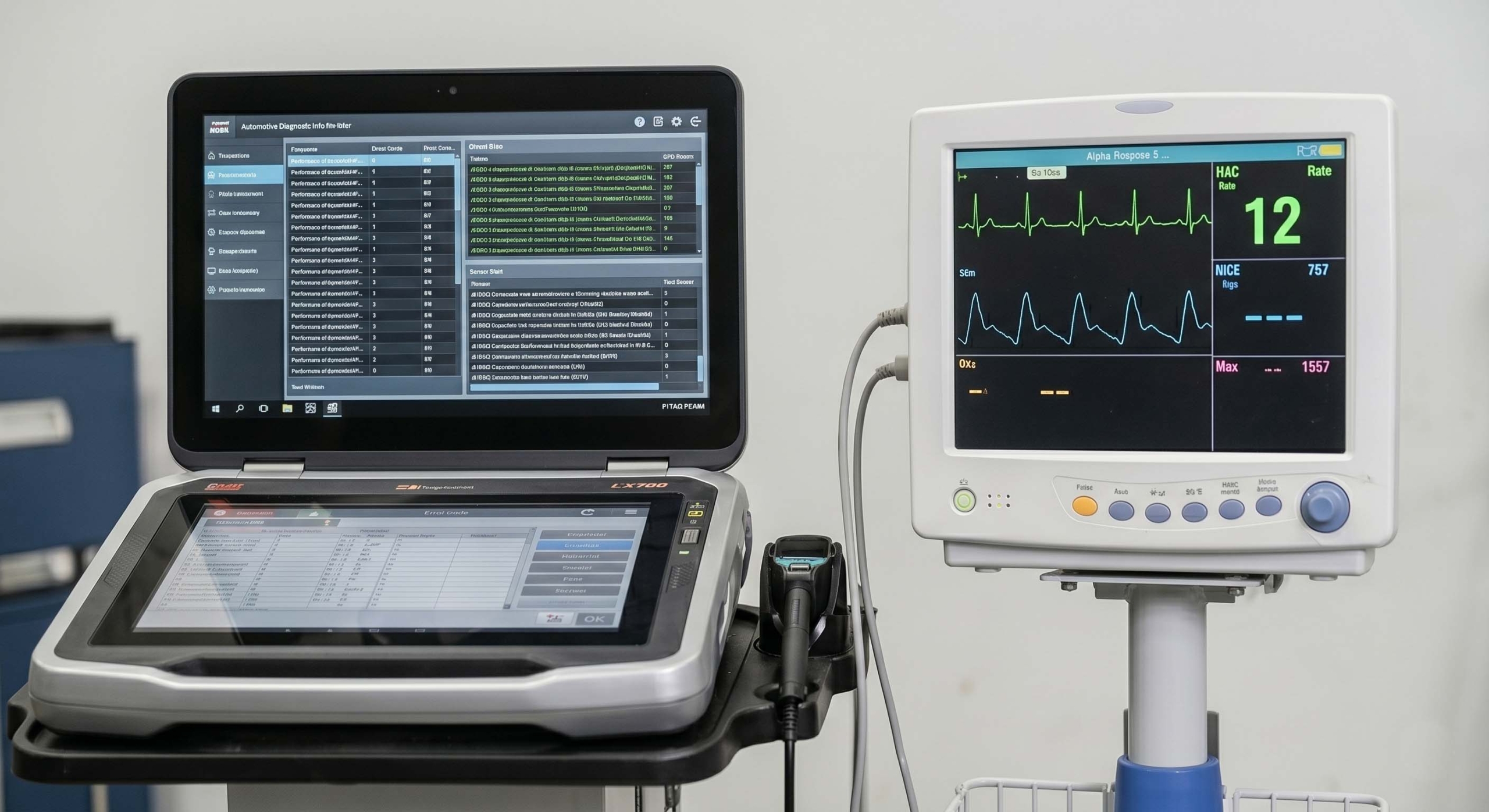
Imagine visiting a doctor because you have persistent chest pain. The doctor does not immediately wheel you into the operating room. First, they check your vitals and listen to your heart. They might run a blood test or order an X-ray. Even with these tools, the exact cause may remain hidden.
Is it a pulled muscle? Is it severe acid reflux? Or is it a developing heart condition? Often, a doctor prescribes a mild treatment first. They monitor your reaction to see if the symptoms subside. If the pain persists, they dig deeper with more expensive tests. Auto mechanics face this exact same challenge with complex European machinery.
 Why Computers Don’t Have All the Answers
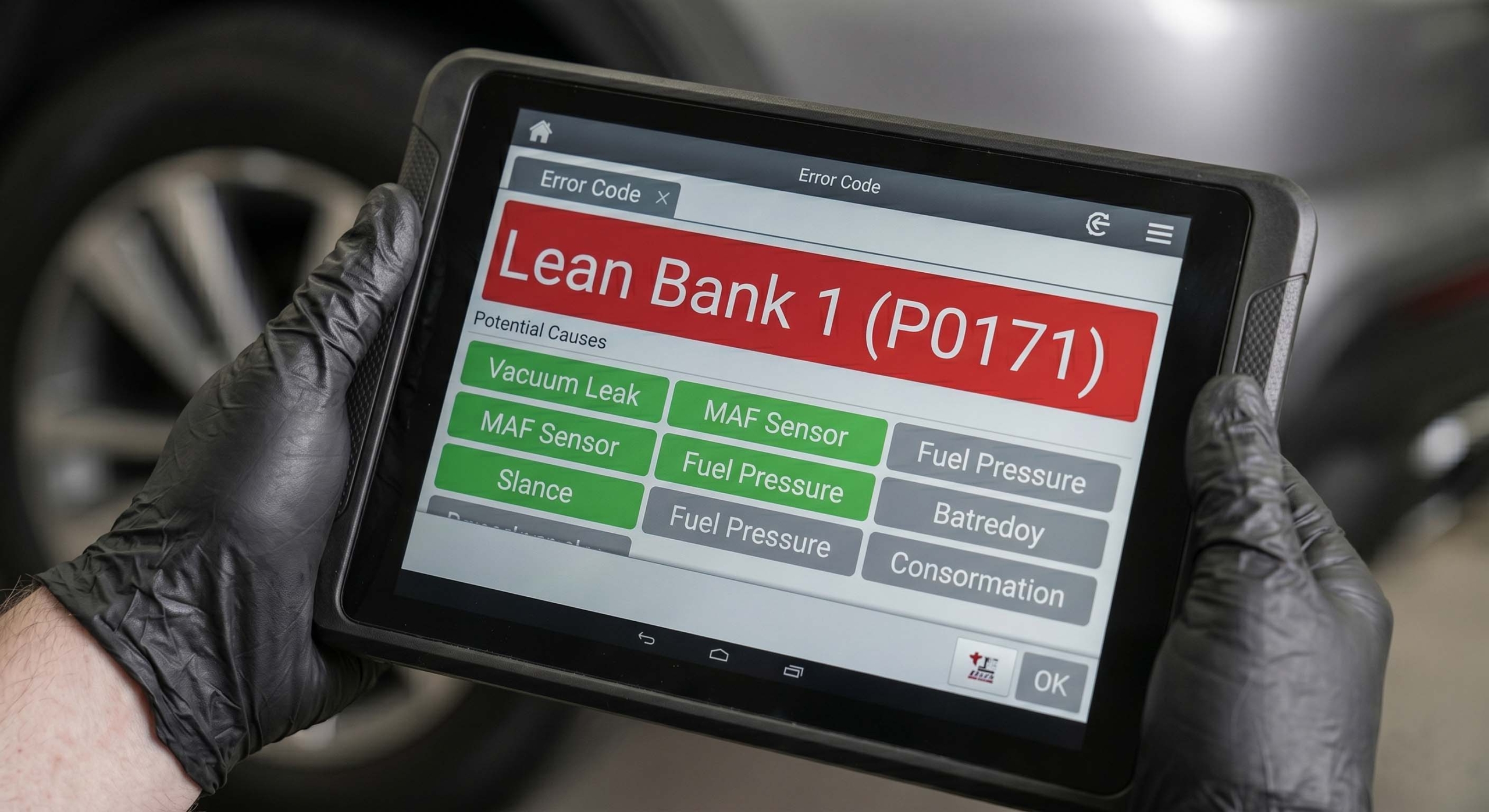
Many people believe that plugging in an OBD-II scanner, such as a VCDS VAG-COM, tells us everything. They think the computer points directly to the broken part. In reality, a scanner only provides a starting point. It identifies a “symptom” within a specific circuit or system.
For example, a “Lean Condition” code is very common. This code does not mean one specific part is broken. It simply means the engine has too much air. This could be a vacuum leak. It could be a failing mass airflow sensor. It could even be a clogged fuel filter. Much like a fever in a human, the code proves an illness exists. However, it does not always name the disease.
 The Complexity of Interconnected Systems
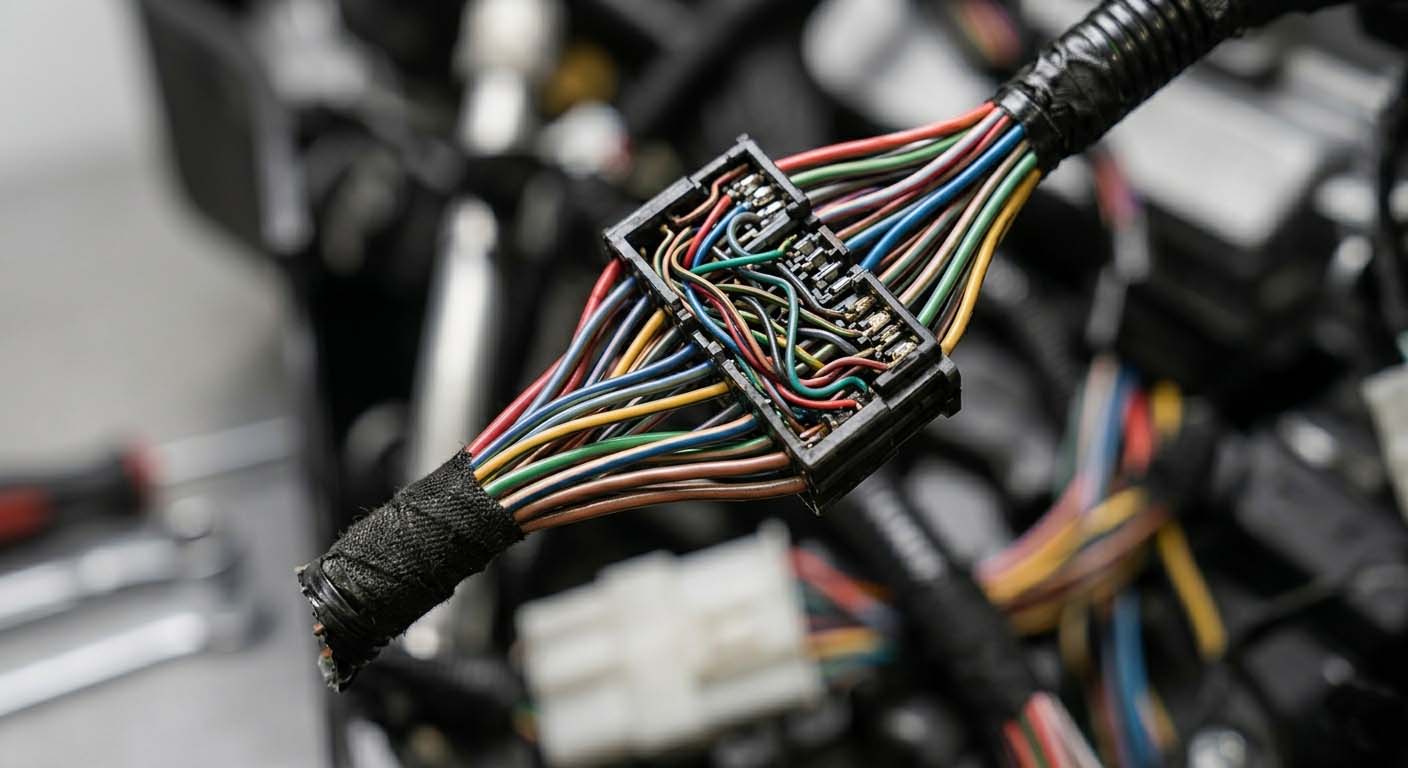
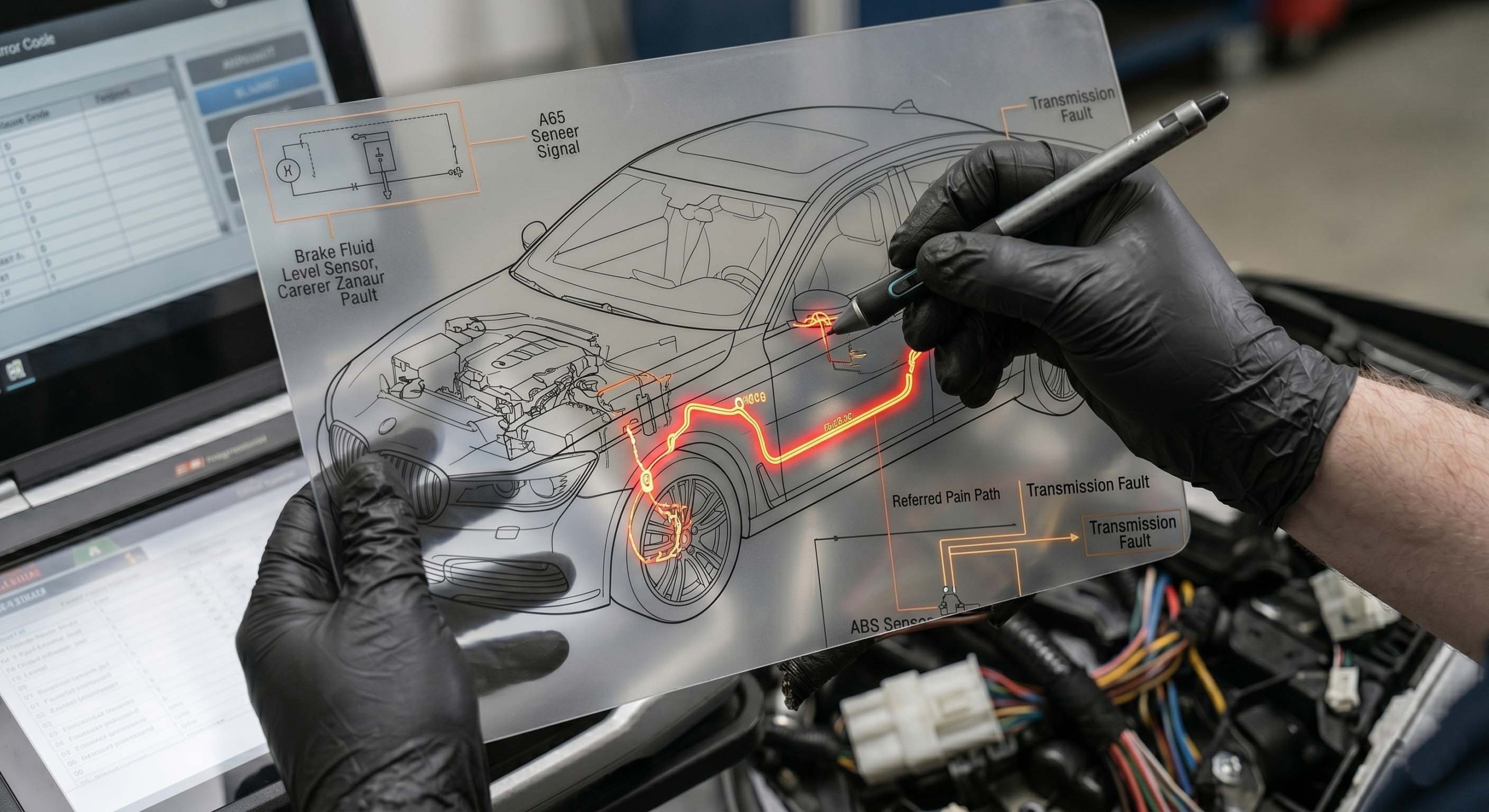
Modern BMW, Audi, and Mercedes vehicles are incredibly complex. They feature dozens of interconnected control modules. These systems “talk” to each other constantly. Sometimes, a failure in one area creates a ghost symptom elsewhere.
Think of this like a patient with referred pain. A problem in the gallbladder can cause pain in the shoulder. Similarly, a faulty wheel speed sensor can disable your entire transmission. In these cases, we must trace the “pain” back to its true source. This process takes time, patience, and expert logic.
When Multiple Parts are the Solution
Sometimes, a diagnostic leads to a “cascading failure.” This happens when one part breaks and damages its neighbors. Other times, multiple components wear out at the exact same rate. If your car has 100,000 miles, several sensors may be failing simultaneously.
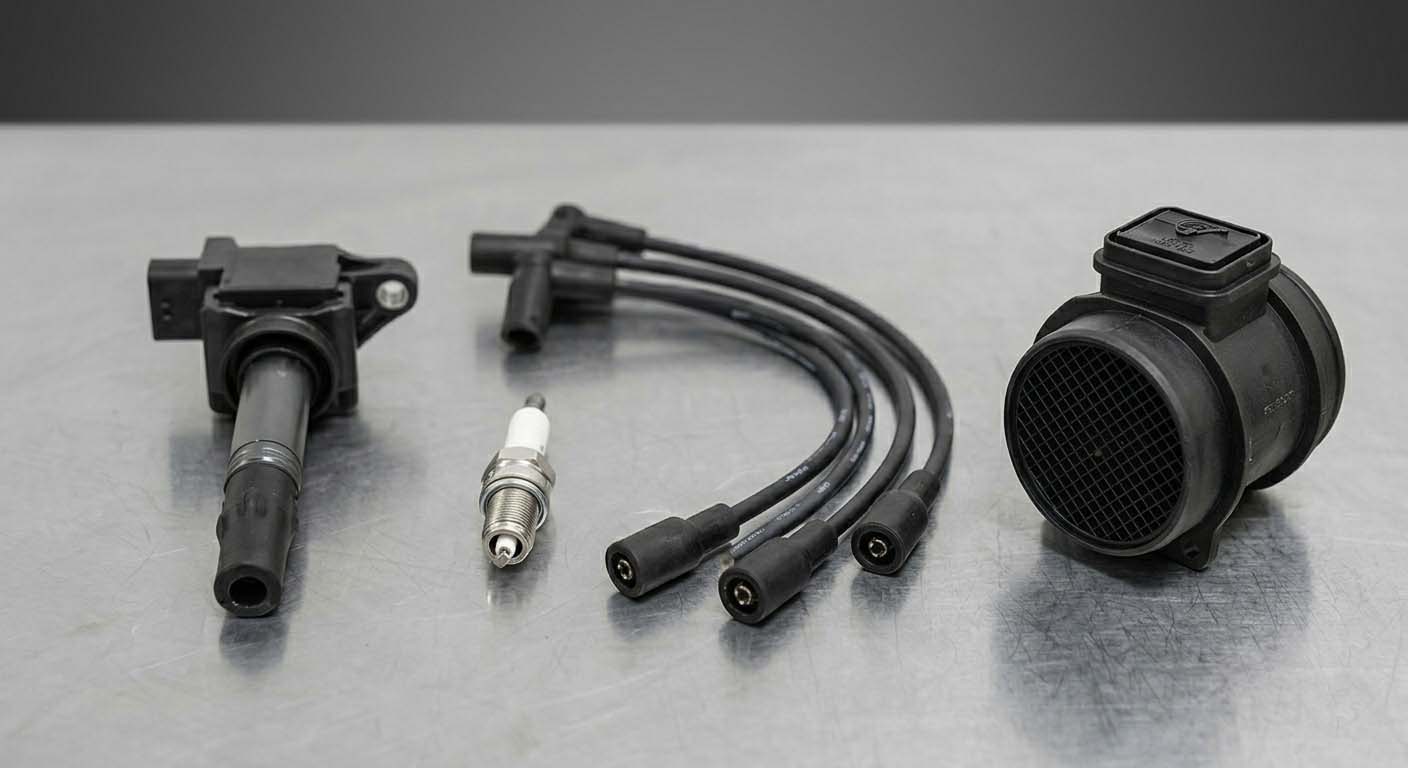
In these situations, replacing just one part might not fix the car. You might replace a ignition coil and still have a misfire. This is because the spark plugs and wiring are also compromised. As a customer, this can feel like “guessing.” To a technician, it is a systematic elimination of variables. We must ensure every link in the chain is strong.
 Diagnostics and Repairs Value of the “Test Step”: Guided Diagnostics
In medicine, doctors often try a conservative treatment first. They want to avoid invasive surgery if a pill works. Mechanics often use a similar philosophy. We might suggest cleaning a valve before replacing the entire assembly. This is an attempt to save you money.
If the cleaning doesn’t work, we move to the next logical step. This is not a failure of the diagnosis. It is a necessary part of a difficult investigation. We are ruling out the simple causes before moving to the complex ones. The werkshop manual calls this “Guided Diagnostics”. Similar to a ‘choose your own adventure’ book, this list of even tell you to do Item #1 in their guided diagnostics first. At the end of Item #1, it will say something like the following. “Did this solve the problem? If yes, see Item #10, if not continue to Item #2, and so on.”
 Transparency and Trust
The most important tool in any shop is the relationship with the customer. We understand that auto repairs are stressful and expensive. We also know that “I don’t know yet” is a hard answer to hear. However, an honest mechanic will tell you this when Diagnostics and Repairs are taking place and the situation is complex.
Just like a specialist doctor, we rely on years of experience. We use technical bulletins and historical data to guide our hands. We are not just “parts changers.” We are investigators looking for the root cause of your vehicle’s distress.
Conclusion: Precision Diagnostics and Repairs Takes Time
Automotive diagnostics are a blend of high-tech data and old-school intuition. While we strive for an “exact science,” cars are subject to the laws of physics and entropy. Sometimes, the path to a perfect repair requires several steps.
At Meister Werks, we treat your car with the same care a doctor treats a patient. We use the best tools available to find the truth. If your European vehicle is acting up, bring it to the specialists. We will stay on the case until your car is healthy again.
The post Art of Diagnostics and Repairs appeared first on Meister Werks • Renton Auto Repair • Renton Auto Service.


Comments are closed
Please follow & like us :)