 Did you know that your car can overheat even during winter when it’s cold outside? Nothing ruins an already trying day more than having your car’s engine overheat. If your vehicle’s cooling system is leaking coolant or you think there’s an issue with your auto radiator, keep reading for valuable information about common symptoms for your overheating engine.
Auto Cooling System Components
Auto Radiator
The auto radiator is an aluminum tank located just behind the front grill of your car. Inside the radiator, there are rows of narrow tubes filled with coolant, exposing a large surface area. This helps the heat dissipate quickly via the metal fins and the air flowing through the vehicle’s grille. If insufficient airflow comes through the grille (e.g., if the car is idling or stopped in traffic), a fan behind the radiator increases the airflow.
Engine Coolant
Engine coolant is a mix of distilled water and antifreeze in your radiator. The formula prevents it from freezing and contains chemical additives to absorb heat, reduce corrosion, and prevent scale buildup. The coolant moves continuously, pushed through the cooling system by the water pump. The engine has internal hollow structures called water jackets. The coolant flows inside the engine through these, absorbing the engine’s heat. It then travels through hoses to the radiator, where it cools down. From there, it’s back into the engine to repeat the process.
Radiator Pressure Cap
The radiator pressure cap is a neat device that maintains pressure in the cooling system until a certain point. Once the pressure is higher than the set pressure point, a spring-loaded valve, calibrated to the correct pounds per square inch (psi), releases the pressure.
Radiator Fans
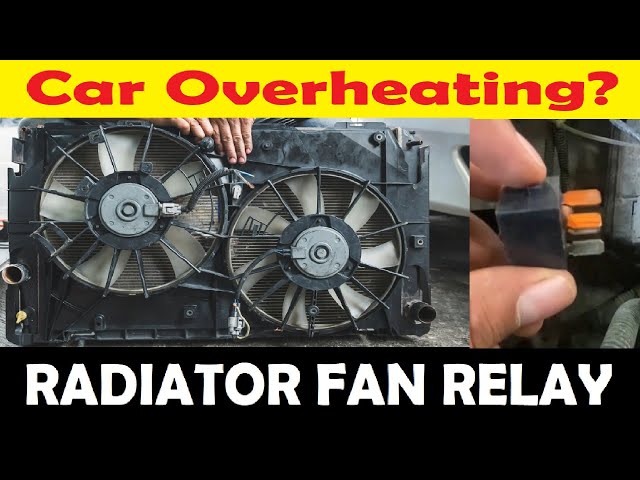
These components are usually mounted on the back of the radiator, close to the engine. Either one or two electric fans reside inside a protective housing designed to safeguard fingers and direct airflow. These fans keep the airflow moving through the radiator when the vehicle slows down or stops while the engine is still running. If these fans stop working, the engine temperature will rise every time your car stops moving.
Water Pump
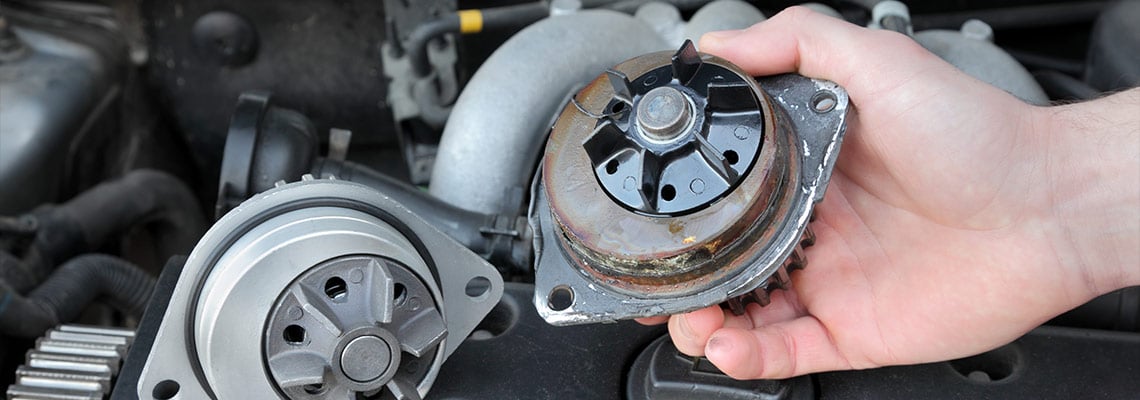
A water pump keeps the coolant moving as long as the engine runs. It is usually mounted on the front side of the engine and only functions while the engine is running. The water pump consists of a housing, usually cast iron or aluminum, and an impeller mounted on a spinning shaft. A pulley is attached to the shaft outside the pump body. The engine operates the water pump through one of three types of belts:
-
- Fan Belt: This also operates additional components such as an alternator or the power steering pump.
- Serpentine Belt: This may also provide power to the air conditioning compressor, alternator, and the power steering pump.
- Timing Belt: This may also power one or more camshafts.
Thermostat
The thermostat is a valve that calculates the temperature of the engine coolant. It opens once it is hot enough, allowing the coolant to move through the radiator. When the coolant is not hot enough, the flow to the radiator is closed, so it enters the bypass system and returns to the engine. The bypass system helps keep the coolant moving through the engine to equalize the temperature.
Coolant Reservoir
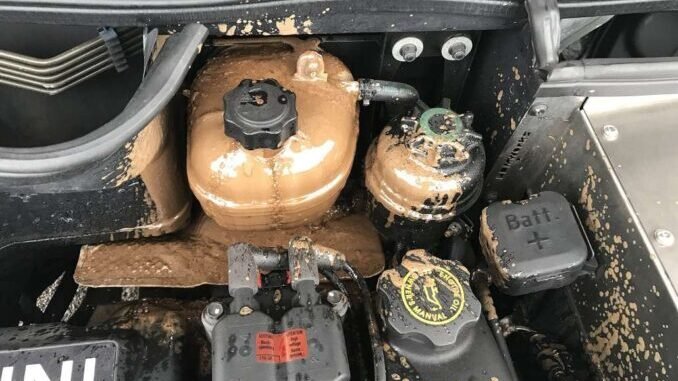
A coolant reservoir stores the cooling system’s excess coolant. As the coolant temperature increases, it expands and overflows into the reservoir. It is directed back into the radiator as the engine cools down after shut-off.
Hoses, Belts, Seals and Gaskets
Various rubber hoses, belts, seals, and gaskets keep the cooling system pressurized and prevent leaking gases, fluids, and air from spreading into surrounding components where they do not belong.
-
- Hoses: Several rubber hoses connect the various components within the cooling system. These hoses withstand vast pressure, so they are subject to wear and tear. Eventually, they may require replacement as part of routine maintenance. If any hoses look dry and cracked or become soft and spongy, it is time to replace them.
- Belts: The engine belts are under constant strain while driving and can wear out over time. Be sure to look for fraying, cracked, or worn belts and replace them when necessary.
- Head Gasket: The head gasket is a seal between the cylinder’s head and the engine block. Your engine uses the force of fuel combustion to power the piston. The gasket contains the combustion so your engine can direct its power more efficiently. It also acts as a barrier, preventing the fuel, oil, and coolant from mixing together.
- Manifold Gasket: This automotive part prevents the heat generated by the engine block from seeping into the air intake manifold. Fuel ignites best with cool air, which is denser and generally contains more oxygen. The engine’s strength and power usually determine the manifold gasket’s thickness.
Common Faulty Cooling System Symptoms
Below are a few common symptoms of a faulty cooling system. If you experience any of these symptoms, schedule a diagnostic service with your local auto shop to prevent an expensive engine rebuild or replacement.
Overheating Engine
When a vehicle’s thermostat remains closed, the hot coolant cannot flow to the radiator. If the hot fluid cannot cool down, the engine’s temperature stays higher than optimal, causing an overheating engine. Coolant must run through the radiator to cool down. Once this occurs, it returns to the engine and dissipates more heat. However, when the coolant remains stagnant with a stuck thermostat, more heat builds up, triggering the thermostat warning light.
Thermostat Warning Light
When your car’s coolant temperature warning light illuminates, it may indicate one of several common causes requiring immediate attention. Potential issues include:
-
- Low engine coolant level: Insufficient coolant in the system can lead to engine overheating and trigger the warning light.
-
- A malfunctioning thermostat: If it does not open or close properly, the engine’s temperature regulation is erratic.
Low or Leaking Coolant
Leaking coolant is particularly troublesome because it can lead to various severe problems, including overheating and internal engine damage. Inspect the coolant reservoir, hose connections, and radiator for leakage. One of the most obvious signs of leaking coolant is puddles under your vehicle. Unlike engine oil and most other fluids, coolant comes in various colors (neon green, red, orange, purple, etc.) and often smells sweet. Clean up spills to avoid poisoning pets, wildlife, and children who may be drawn to the attractive smell.
White Exhaust
When coolant seeps into your engine’s combustion chamber due to a faulty head gasket, it produces steam (water vapor and glycol) in your exhaust. Schedule a diagnostic service as soon as you notice white smoke or steam from your exhaust pipe or engine compartment.
Cooling System: Maintenance, Service & Repairs
Ron’s Garage specializes in routine maintenance, auto service and repairs on all vehicle makes and models in Ann Arbor, MI. Stop by our shop for all your cooling system needs, including leaking coolant, a damaged auto radiator, or to diagnose your overheating engine.
Schedule Cooling System Service in Ann Arbor, MI
Contact us at (734) 961-4701 or visit our website to make an appointment. We look forward to seeing you soon!
The post Auto Radiator and Cooling System: Symptoms & Repairs first appeared on Ron’s Garage | Auto Repair Ann Arbor MI | Brake Repair.